
How Personal Loans Work and When to Use One

Imagine having a financial tool that could consolidate high-interest debt, fund a major home renovation, or cover an unexpected medical bill all with a single, predictable monthly payment. That’s the fundamental promise of a personal loan. Unlike credit cards or lines of credit, these versatile term loans provide a lump sum of cash upfront, which you then repay over a fixed period. They are a popular form of unsecured debt, meaning you don’t risk collateral like your house or car. Whether you’re looking to streamline your finances, invest in a life goal, or handle an emergency, understanding the mechanics, benefits, and strategic uses of personal loans is the first step toward making an informed and empowered financial decision.
Defining the Modern Unsecured Loan
At its core, a personal loan is a type of installment credit. You borrow a specific amount from a lender – a bank, credit union, or online lender – and agree to pay it back, plus interest and any fees, over a set schedule that typically ranges from two to seven years. The “personal” designation simply means the loan is not for a specific asset, like a mortgage for a house or an auto loan for a car. This flexibility is both its greatest strength and a point that requires careful consideration. Since these are unsecured loans, the lender cannot automatically seize an asset if you default. Consequently, lenders primarily base their approval decision on your creditworthiness, which includes your credit score, income, and existing debt obligations. This risk assessment directly influences the interest rate you are offered.
The Strategic Uses for a Personal Loan
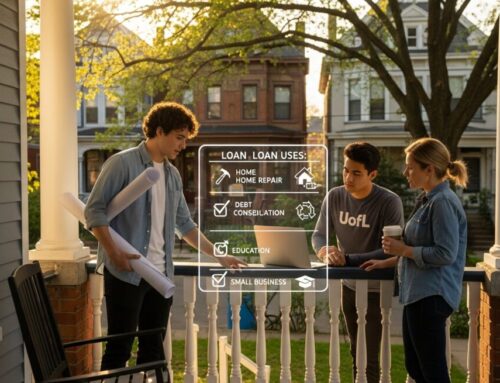
Not all debt is created equal. Using a personal loan strategically can improve your financial health, while using it for discretionary spending can lead to unnecessary burdens. The most financially sound uses for these loans leverage their lower interest rates (compared to credit cards) and fixed structure to achieve specific goals. Debt consolidation consistently ranks as the top reason borrowers seek personal loans. By taking out a single loan to pay off multiple high-interest credit cards, you can simplify your payments and potentially save hundreds or thousands in interest over time. Another powerful use is for major, value-adding expenses. This includes home improvement projects that increase property value, funding a significant life event like a wedding, or covering essential but costly medical procedures not fully covered by insurance. In emergencies, a personal loan can be a more structured and often cheaper alternative to payday loans or maxing out credit cards.
To help clarify ideal scenarios, consider these strategic applications for an unsecured loan:
- Debt Consolidation: Combine multiple high-interest debts into one lower-rate payment.
- Home Improvement: Finance renovations that increase your home’s equity and value.
- Major Life Events: Fund a wedding, adoption, or milestone celebration with predictable payments.
- Unexpected Large Expenses: Cover urgent medical bills, essential car repairs, or emergency travel.
- Credit Building: Using a loan responsibly can diversify your credit mix and demonstrate reliable repayment.
It is generally not advisable to use a personal loan for discretionary purchases, speculative investments, or routine daily expenses. The goal is to use the loan as a tool for financial progress, not as a way to fund a lifestyle beyond your means. For smaller, ongoing expenses, a credit card with a zero-interest promotional period or a dedicated savings plan is often a more suitable strategy.
Navigating the Loan Application and Approval Process
Securing a personal loan involves a series of steps where preparation is key. The process begins long before you formally apply, with a thorough check of your credit report from all three major bureaus. Dispute any errors you find, as they can negatively impact your score. Next, use online pre-qualification tools offered by many lenders. This involves a soft credit check that does not affect your score and provides an estimate of the rates and terms you might receive. It’s a crucial step for comparing offers without commitment. Once you’ve selected the best offer, you’ll submit a formal application. This triggers a hard credit inquiry and requires documentation such as proof of identity, income (pay stubs, tax returns), employment, and sometimes proof of address.
Lenders evaluate your application based on the “Five Cs of Credit”: Character (credit history), Capacity (debt-to-income ratio), Capital (savings/assets), Collateral (not applicable for unsecured loans, but other assets are considered), and Conditions (loan purpose and amount). A strong application demonstrates a history of on-time payments, a stable income sufficient to cover the new payment alongside existing debts, and a sensible reason for the loan. After approval, funds are typically deposited into your bank account as a lump sum within a few business days, and your repayment period begins shortly after.
Understanding Costs and Comparing Loan Terms
The stated interest rate is only one part of a loan’s total cost. The annual percentage rate (APR) is the more critical figure, as it includes the interest rate plus any origination fees or other finance charges, expressed as a yearly percentage. A loan with a lower interest rate but a high origination fee could have a higher APR than a loan with a slightly higher rate and no fee. Always compare APRs when shopping. Beyond the APR, scrutinize the loan agreement for other potential fees, such as late payment fees, prepayment penalties (for paying off the loan early), and insufficient funds fees.
Your loan term significantly impacts both your monthly payment and total interest paid. A shorter term loan comes with higher monthly payments but results in far less interest paid over the life of the loan. A longer term lowers the monthly payment but increases the total interest cost. For example, a $10,000 loan at 10% APR paid over 3 years will have a higher monthly payment than a 5-year term, but you will save over $1,000 in total interest. Use online loan calculators to run these scenarios before deciding. When evaluating offers, especially for unsecured loans, look beyond the monthly payment to understand the full, long-term financial commitment.
Alternatives to Consider Before You Borrow
A personal loan is a powerful tool, but it’s not the only one in the financial toolbox. Before proceeding, it’s wise to evaluate other options that might better suit your situation. If you have equity in your home, a home equity loan or line of credit (HELOC) often offers a lower interest rate because it is secured by your property. However, this places your home at risk if you cannot repay. For existing credit card debt, a balance transfer card with a 0% introductory APR period can be a cost-effective way to pay down debt without interest, provided you can pay it off before the promotional period ends. For smaller, immediate needs, a “buy now, pay later” (BNPL) service or negotiating a payment plan directly with a service provider (like a hospital or contractor) might be feasible. The most financially sound alternative, though not always immediately possible, is to build an emergency fund and save for planned expenses, thereby avoiding debt altogether. Weighing these options against a term loan ensures you choose the most efficient and least risky path for your finances.
Ultimately, personal loans offer a structured and often cost-effective way to manage finances, consolidate debt, or fund important goals. Their value lies not just in the access to capital but in the disciplined repayment plan they enforce. By borrowing purposefully, comparing terms diligently, and having a clear plan for repayment, you can use this financial instrument to build a stronger, more stable financial future rather than creating a lasting burden. The key is to view the loan not as free money, but as a strategic investment in your own economic well-being.

About
Related Posts



Request Loan Now
"*" indicates required fields


