
Navigating Personal Loans in West Palm Beach Florida

Life in West Palm Beach, Florida, offers a vibrant coastal lifestyle, but even in paradise, unexpected expenses can arise. Whether you’re planning a major home renovation to enjoy the Florida sun, consolidating high-interest debt, or covering an unforeseen medical bill, a personal loan can be a strategic financial tool for Palm Beach County residents. Understanding the local lending landscape is crucial to securing favorable terms and achieving your financial goals without jeopardizing your stability. This guide will walk you through everything you need to know about personal loans in West Palm Beach, from identifying reputable lenders to boosting your application’s strength in a competitive market.
The West Palm Beach Personal Loan Landscape
West Palm Beach presents a diverse financial ecosystem for borrowers. You’ll find a mix of national banks with branches along Okeechobee Boulevard, local community banks and credit unions deeply embedded in Palm Beach County, and a robust online lending market. This variety is beneficial, but it requires discernment. Local institutions, like credit unions, may offer more personalized service and potentially better rates to members who live, work, or worship in the area. They often have a nuanced understanding of the local economy, which can work in your favor. Online lenders, on the other hand, provide convenience and speed, often with competitive algorithms that can match you with multiple offers. The key is to not limit your search to just one type of lender. Casting a wide net across all three categories banks, local institutions, and online platforms increases your chances of finding the optimal loan for your specific situation.
Furthermore, Florida’s lack of a state income tax doesn’t directly affect loan interest, but it contributes to the overall financial environment. Lenders will primarily evaluate you based on universal criteria: credit score, debt-to-income ratio (DTI), employment history, and the loan’s purpose. However, being in a high-cost area like South Florida can make debt-to-income ratios a critical point of scrutiny, as housing and living costs are significant. A lender will want to ensure your total monthly debt obligations, including the potential new loan payment, are manageable within the context of South Florida living expenses.
Strategic Steps to Secure Your Loan
Approaching the loan process with a plan dramatically improves your outcomes. Haphazardly applying to multiple lenders can harm your credit score due to multiple hard inquiries. Instead, adopt a methodical strategy. Begin by conducting a thorough audit of your finances. Check your credit report from all three bureaus for free at AnnualCreditReport.com. Dispute any errors that could be dragging your score down. Calculate your precise debt-to-income ratio by totaling all your monthly minimum debt payments and dividing that by your gross monthly income. This number is a key metric lenders use to gauge risk.
Next, clearly define the loan’s purpose and amount. This focus prevents you from borrowing more than necessary. With this information, you can start shopping. Use pre-qualification tools offered by many online lenders and some banks. This process typically involves a soft credit pull, which does not affect your score, and gives you an estimate of rates and terms you might qualify for. It’s a powerful way to compare offers without commitment. Once you have several pre-qualified offers, you can compare them side-by-side. Look beyond the monthly payment. Scrutinize the annual percentage rate (APR), which includes the interest rate plus any fees, giving you the true cost of the loan. Consider the loan term a shorter term means higher monthly payments but less interest paid over the life of the loan, while a longer term lowers the monthly payment but increases the total interest cost.
When you’re ready to proceed with the best offer, you’ll submit a formal application. This triggers the hard credit inquiry and requires documentation. Being prepared streamlines this final step. You will typically need to provide:
- Government-issued photo ID (Driver’s license or passport)
- Proof of income (Recent pay stubs, W-2 forms, or tax returns for self-employed individuals)
- Proof of address (Utility bill, lease agreement, or mortgage statement)
- Social Security number (for the credit check)
- Information about your existing debts (as listed on your credit report)
Optimizing Your Application as a Local Borrower
In a competitive financial market, standing out positively to lenders is about more than just meeting minimum requirements. There are actionable steps you can take to present the strongest possible application. First, if your credit score is on the borderline between good and excellent, consider taking a few months to improve it. Pay down credit card balances to below 30% of their limits, as credit utilization is a major scoring factor. Ensure all bills are paid on time, as payment history is the most significant component of your score.
If you have an existing relationship with a local bank or credit union, leverage it. Applying where you already have a checking, savings, or investment account can be advantageous. These institutions may offer loyalty discounts on rates or fees, and they have existing visibility into your cash flow, which can sometimes streamline approval. For those with less-than-perfect credit, consider a secured personal loan or adding a creditworthy cosigner. A cosigner, often a family member with strong credit, agrees to take responsibility for the loan if you default, which can secure approval and a lower rate that you might not get on your own. This is a significant ask and requires clear communication and trust, as it impacts the cosigner’s credit.
Be prepared to explain your loan purpose convincingly, especially for larger amounts. Lenders view debt consolidation, home improvement (which can increase property value), and major necessary purchases more favorably than discretionary spending like a lavish vacation. For insights on navigating similar processes in nearby communities, our resource on Securing a Personal Loan in Jacksonville outlines common Florida-specific considerations. Finally, read every line of the loan agreement before signing. Understand the payment schedule, the total repayment amount, any prepayment penalties (which are less common but still exist), and what happens in the case of a missed payment. A reputable lender will be transparent and answer all your questions.
Common Uses and Responsible Borrowing Practices
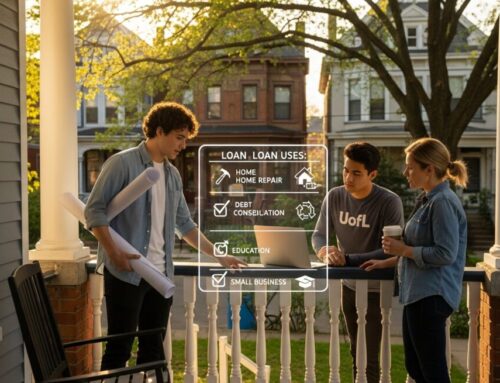
Personal loans are versatile, but they are not always the best tool for every job. In West Palm Beach, common and strategic uses include consolidating high-interest credit card debt into a single, lower-interest loan payment, which can simplify finances and save money on interest. Home improvement projects are another popular use, from upgrading a hurricane-resistant roof to remodeling a kitchen. Medical expenses, even with insurance, can be substantial, and a personal loan can provide a structured repayment plan. Major life events, such as a wedding or a milestone family vacation, are also funded through personal loans, though these should be approached with careful budgeting.
Responsible borrowing is paramount. The most fundamental rule is to only borrow what you can afford to repay. Use loan calculators to ensure the monthly payment fits comfortably within your budget, even after accounting for variable costs in South Florida. Avoid using an unsecured personal loan for speculative investments or to fund an unsustainable lifestyle. The goal is to use debt as a strategic lever to improve your financial position, not to dig a deeper hole. For example, if using a loan for debt consolidation, it’s critical to change the spending habits that led to the debt in the first place; otherwise, you risk ending up with both the new loan and new credit card balances. Developing a post-loan budget that accounts for the new payment is a non-negotiable step for long-term success.
Understanding the alternatives is also part of being a responsible borrower. In some cases, a 0% introductory APR credit card might be better for a smaller, short-term expense you can pay off quickly. For home equity, Palm Beach County homeowners might explore a Home Equity Loan or HELOC, which often have lower rates but use your home as collateral, introducing more risk. Each option has pros and cons that must be weighed against a standard unsecured personal loan. For a deeper look at evaluating local options, our guide to Pompano Beach personal loans discusses similar market dynamics in a neighboring South Florida city.
Navigating Challenges and Finding the Best Fit
Not every loan journey is straightforward. Borrowers with fair or poor credit may face higher interest rates or outright denials. If this happens, don’t despair. First, ask the lender for the specific reason for denial; they are legally required to provide this. It might be due to a high debt-to-income ratio, a short employment history, or a low credit score. Use this feedback as a roadmap for improvement. You can then work on the identified issue, whether it’s paying down other debts, securing stable employment for a longer period, or rebuilding your credit, before reapplying in a few months.
For those who need funds more urgently, exploring a co-signed or secured loan, as mentioned, are the primary pathways. Alternatively, seeking out a loan from a community development financial institution (CDFI) or a nonprofit lender that focuses on serving borrowers with challenging credit histories can be an option, though they may have caps on loan amounts. It’s also wise to be vigilant against predatory lenders who target individuals with poor credit. Warning signs include pressure to act immediately, lack of clear disclosure about rates and fees, and demands for upfront fees before any service is provided. Legitimate lenders in Florida must be licensed, and you can verify a lender’s standing with the Florida Office of Financial Regulation.
Finding the best fit ultimately means aligning the loan’s terms with your financial capability and goals. A slightly higher monthly payment for a shorter term could save you thousands in interest. Conversely, if budget flexibility is your primary concern, a longer term with a lower payment might be the right tactical choice, even if it costs more over time. This decision is personal and should be made with a full view of your multi-year financial picture. To see how residents in other Florida communities approach this balancing act, consider the strategies discussed in our article on Smart Strategies for Personal Loans in Tallahassee.
Securing a personal loan in West Palm Beach is a process that rewards preparation, research, and strategic thinking. By understanding the local market, methodically preparing your application, and borrowing responsibly, you can access the funds needed to achieve your objectives while maintaining your financial health. The goal is not just to get a loan, but to use it as a deliberate step toward greater financial stability and freedom in the Sunshine State.

About Olivia Bennett
Related Posts



Request Loan Now
"*" indicates required fields


