
Securing a Personal Loan in Honolulu: Your Island Guide

Living in paradise comes with its own unique financial rhythm. While Honolulu offers an unparalleled lifestyle, residents can still face unexpected expenses, from urgent home repairs after heavy Kona rains to consolidating high-interest debt or funding a special occasion. In these moments, a personal loan can be a strategic tool to bridge the gap, offering a lump sum with a fixed repayment schedule. For Oahu residents, navigating the landscape of Honolulu, Hawaii personal loans requires understanding both the universal principles of borrowing and the specific nuances of the island’s market, including local lenders, state regulations, and the realities of Hawaii’s cost of living.
Understanding Personal Loans in the Honolulu Context
A personal loan is an unsecured installment loan, meaning it doesn’t require collateral like your home or car. You receive a lump sum of cash upfront and repay it, plus interest and any fees, in fixed monthly payments over a set term, typically ranging from two to seven years. This predictability is a key advantage over credit cards, which have revolving balances and variable payments. In Honolulu, where everything from groceries to housing tends to be more expensive, using a personal loan to consolidate credit card debt can be a savvy financial move, potentially lowering your overall interest rate and simplifying your monthly budget.
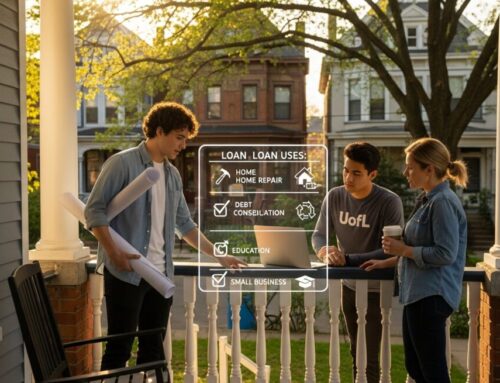
The reasons Honolulu residents seek personal loans are as diverse as the island’s population. Common uses include debt consolidation, which is highly relevant given the high cost of living, major home improvement projects like upgrading plumbing or installing solar panels, covering large medical or dental bills, and funding significant life events like weddings or milestone family vacations. Understanding your specific “why” is the first step, as it will guide the amount you need and help you evaluate loan terms. Unlike more specialized loans, a personal loan for Honolulu borrowers offers flexibility; the funds can be used for virtually any legitimate purpose, giving you control over your financial strategy.
Where to Find Personal Loans in Honolulu
Honolulu borrowers have a robust set of options, each with distinct advantages. The landscape includes traditional banks, local credit unions, online lenders, and specialized financial companies. Each source caters to different borrower profiles and needs.
Traditional national and regional banks with a physical presence in Honolulu, such as Bank of Hawaii, First Hawaiian Bank, and Central Pacific Bank, offer the convenience of in-person service. They may provide relationship benefits, like rate discounts for existing customers with checking accounts. However, their approval processes can be more stringent, favoring applicants with excellent credit. Online lenders have revolutionized the lending space, offering a completely digital application and funding process. They often provide quick pre-qualification checks that don’t impact your credit score and can disburse funds within a day or two of approval. These lenders are a strong option for those comfortable with digital processes and seeking competitive rates. For a more community-focused approach, Hawaii’s credit unions, like Hawaii State Federal Credit Union or Aloha Pacific Federal Credit Union, are member-owned not-for-profits. They often offer lower interest rates and more personalized service to their members, though you must meet membership eligibility requirements, which are usually broad for state residents.
Key Factors for Honolulu Borrowers to Compare
When shopping for a personal loan, looking beyond the advertised loan amount is crucial. Several interconnected factors determine the true cost and suitability of the loan. Ignoring any one of them can lead to an expensive mismatch for your financial situation.
The Annual Percentage Rate (APR) is the most critical number to compare. It represents the total yearly cost of the loan, including interest and all fees, expressed as a percentage. A lower APR means a lower total cost. The loan term, or length of repayment, directly affects your monthly payment and total interest paid. A shorter term means higher monthly payments but less interest over the life of the loan, while a longer term lowers the monthly payment but increases the total interest cost. All reputable lenders should clearly disclose all fees. The most common are origination fees, which are deducted from your loan proceeds before you receive the money. For example, a 5% origination fee on a $10,000 loan means you’d receive $9,500. Always factor this into the amount you request. Prepayment penalties are fees for paying off your loan early, and they are rare among modern personal loan lenders, but it’s essential to confirm their absence.
To make an informed decision, Honolulu residents should gather quotes from multiple lender types. A useful framework is to compare loans using the same loan amount and term. Here is a structured way to evaluate your options:
- Annual Percentage Rate (APR): The single best measure of loan cost. Compare APRs for the same loan term.
- Monthly Payment: Ensure the payment fits comfortably within your monthly budget, accounting for Honolulu’s high living expenses.
- Total Interest Paid: Calculate the sum of all interest over the full loan term to see the long-term cost.
- Funding Speed: How quickly will the funds be in your account after approval? This is critical for urgent needs.
- Customer Service & Support: Consider the importance of local, in-person support versus digital-only assistance.
After receiving offers, take time to read the fine print in the loan agreement. Ensure there are no hidden clauses or fees that weren’t initially disclosed. This due diligence is as important in Honolulu as it is anywhere else. For a deeper dive into the mechanics of borrowing, our article on how personal loans work and when to use one provides a foundational overview that applies universally, including for Hawaii borrowers.
The Application Process and Eligibility in Hawaii
The journey to securing a personal loan in Honolulu follows a predictable path, but preparation is key. It typically begins with a pre-qualification, which is a soft credit check that shows you estimated rates and terms without harming your credit score. This is an invaluable tool for comparison shopping. Once you select a lender, you submit a formal application, which triggers a hard credit inquiry that will temporarily lower your credit score by a few points.
Lenders evaluate applicants based on a few core criteria. Your credit score and credit history are primary determinants of your eligibility and APR. A higher score generally secures a lower rate. Your debt-to-income ratio (DTI) measures your monthly debt payments against your gross monthly income. Lenders use this to gauge your ability to handle a new payment. Stable, verifiable income and employment history are also crucial, as they demonstrate your capacity to repay. Some lenders may have a minimum income requirement. While personal loans are unsecured, your overall financial profile acts as the assurance for the lender.
To strengthen your application, gather necessary documents beforehand. These typically include government-issued photo ID (like a Hawaii driver’s license), recent pay stubs or tax returns for income verification, and proof of residence (a utility bill or lease agreement). Having these documents ready can speed up the process significantly. The specific steps and documentation required are quite similar whether you’re in Honolulu or elsewhere, as detailed in our guide for getting a personal loan in Berkeley, California.
Strategic Considerations for Oahu Residents
Borrowing in Hawaii presents unique strategic considerations. First and foremost is the state’s high cost of living. When determining how much to borrow, be realistic about your monthly payment. Factor in your existing expenses for housing, food, transportation, and utilities, which are all above the national average in Honolulu. Taking on a loan payment that stretches your budget too thin can lead to financial stress. It’s also wise to consider the purpose of the loan from an investment perspective. Using a loan to consolidate high-interest debt or make a home improvement that increases property value can be a financially sound decision. Using it for a discretionary purchase requires more careful consideration of the long-term cost.
Always be vigilant against predatory lending practices. While Hawaii has consumer protection laws, it’s up to the borrower to recognize warning signs. These include lenders who don’t check your ability to repay, who offer guaranteed approval, who pressure you to act immediately, or whose loan agreements have confusing or unclear terms. If an offer seems too good to be true, it likely is. Responsible lenders are transparent about rates, fees, and terms from the outset. For perspective on how borrowers evaluate options in another major metro area, you can review the strategic approach outlined in our guide to personal loans in Tampa, Florida.
Ultimately, a personal loan is a financial tool that should align with your broader goals. For Honolulu residents, it can provide a pathway to manage debt more efficiently, handle unforeseen costs without derailing finances, or invest in quality-of-life improvements. By thoroughly researching lenders, understanding the total cost of borrowing, and choosing a loan with terms that fit your island-life budget, you can use this tool to navigate your financial journey with confidence. The key is to borrow thoughtfully, with a clear plan for repayment, ensuring that your decision supports your financial well-being amidst the beauty and demands of life in Honolulu.

About Olivia Bennett
Related Posts



Request Loan Now
"*" indicates required fields


